

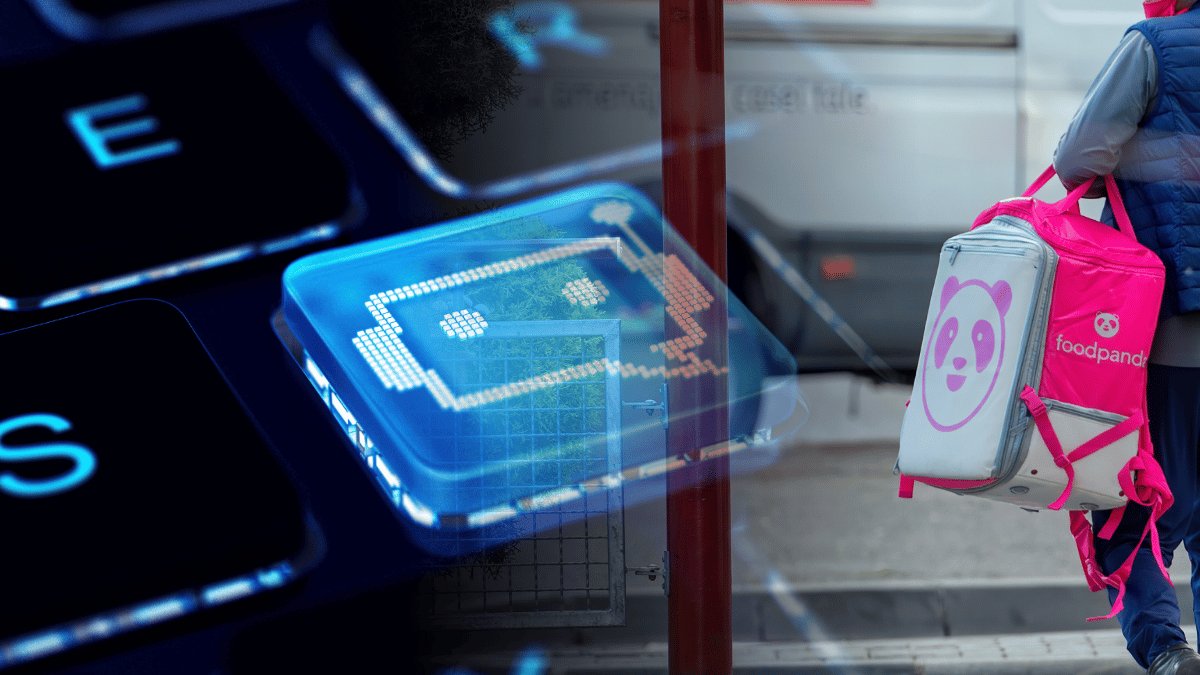


The September 2026 implementation retrieves live restaurant and menu information, then transfers users to established payment and order-fulfilment flow
Conventional app-based navigation typically relies on users repeatedly applying menus, categories, and filters, which can be inefficient when requests combine several constraints.
In September 2026, foodpanda introduced a conversational search layer for its Singapore delivery marketplace. The implementation enables users to state their needs in natural language, such as a preferred cuisine near a specified area, meals for several people within a set budget, or vegetarian options available for delivery. The deployment centers on the following technical functions:
- Natural-language interpretation of food, location, dietary, budget, and group-order requirements
- Retrieval of restaurant and menu information at the time of a user query
- Conversion of an unstructured request into a narrower set of delivery options
- A handoff mechanism that directs users to an existing mobile or web checkout flow
- Retention of transaction processing outside the conversational interface
For example, instead of separately filtering cuisine, delivery area, price, and dietary options, a user can enter “halal Korean food near Bedok for four people under $60,” receive a narrowed list of matching restaurants and dishes, and then open the selected option in the delivery service’s checkout interface.
The firm’s managing director, Bhavani Mishra, said the system is designed to let consumers specify “what they’re craving, their budget or who they’re eating with” to narrow meal choices. The approach does not replace the delivery platform’s ordering infrastructure; rather, it adds a discovery interface ahead of the established ordering and payment process.
The Foodpanda service is now a plugin within AI chats in ChatGPT and Claude (which supply the external conversational interfaces), so that search queries using the plug-in can leverage the restaurant, menu, and delivery-related information to suggest available options. The food delivery platform remains responsible for the subsequent app- or web-based checkout process.